

Most business owners keep a close eye on major expenses like payroll, rent, and inventory. However, many overlook a less obvious threat to profitability: subscription creep. As businesses adopt more digital tools and services, recurring expenses can slowly accumulate, reducing cash flow and increasing overhead without attracting much attention.
Understanding how these costs develop and learning how to manage them can make a meaningful difference in the financial health of any company.
What Is Subscription Creep?
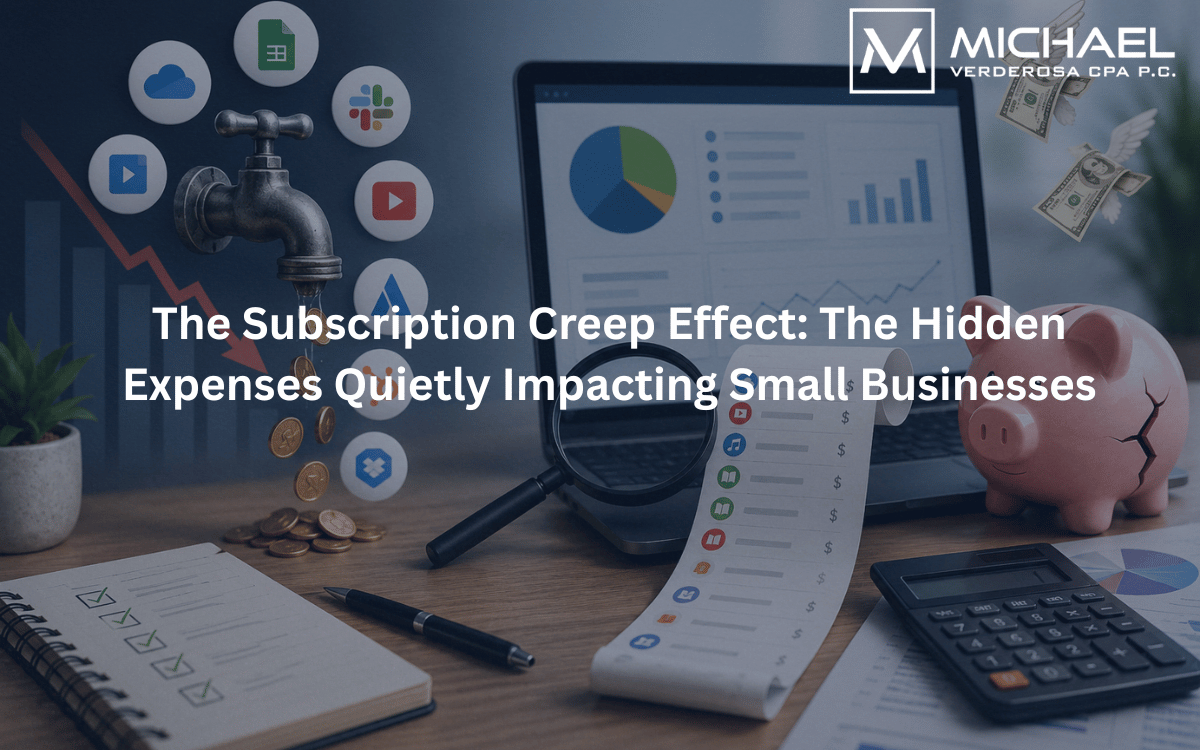
Subscription creep refers to the gradual buildup of recurring monthly or annual expenses. These may include software platforms, cloud storage services, marketing tools, productivity applications, and memberships.
Individually, these charges may seem insignificant. A $20 subscription here or a $50 monthly fee rarely raises concerns. However, when multiple services are added over time, the combined cost can become substantial.
Because many subscriptions are renewed automatically, they often become invisible expenses that continue month after month.
Why Small Businesses Are More Susceptible
Modern businesses rely heavily on technology. New tools promise improved efficiency, better communication, and increased productivity. While these solutions can provide value, companies sometimes add new platforms without evaluating whether existing tools already perform the same functions.
As a result, businesses may find themselves paying for:
- Duplicate software.
- Unused employee licenses.
- Premium features they rarely use.
- Forgotten trial subscriptions.
- Services that no longer fit operational needs.
Over time, these expenses quietly increase operating costs.
The Psychology Behind Small Recurring Charges
Large purchases usually receive careful consideration. Small monthly payments, on the other hand, often feel insignificant.
A $39 monthly subscription might not seem expensive. Yet that same service costs nearly $470 per year. Multiply that amount by several tools, and annual expenses can quickly reach thousands of dollars.
Because recurring payments happen automatically, they tend to fade into the background. This creates the illusion that spending remains under control when costs are rising steadily.
Hidden Effects Beyond Higher Expenses
Subscription creep affects more than just the monthly budget.
Reduced Cash Flow
Every recurring charge limits the amount of cash available for growth opportunities, emergency reserves, and daily operations.
Lower Profitability
Increasing overhead directly impacts profit margins. Even modest expenses can have a noticeable effect when combined over time.
Operational Complexity
Managing multiple platforms can create inefficiencies and confusion, especially when employees use different tools for similar tasks.
Difficulty Tracking Spending
Without regular reviews, it becomes harder to understand where money is going.
Working with a trusted Michael verderosa Accountant For Small Business IN Long Island, NY can help owners gain better visibility into recurring expenses and overall financial performance.
Warning Signs of Subscription Creep
Several indicators may suggest that subscription costs are becoming excessive:
Expenses Keep Rising
If operating costs increase without corresponding revenue growth, unnecessary subscriptions could be contributing to the problem.
Multiple Tools Serve the Same Purpose
Businesses sometimes maintain several applications that perform similar functions, creating unnecessary overlap.
Inactive Accounts Remain Open
Former employees changing business needs and forgotten software licenses can result in ongoing charges for services that are no longer used.
Financial Reviews Are Infrequent
Without periodic evaluations, recurring expenses often remain unnoticed for years.
How to Perform a Subscription Audit
Businesses can regain control of their spending by conducting regular audits.
Creating a List of Recurring Expenses
Identify every monthly and annual charge, including software, memberships, cloud services, and digital tools.
Evaluating Actual Usage
Determine whether each service still delivers value and supports business objectives.
Eliminate Redundancies
Removing duplicate or unnecessary subscriptions can produce immediate savings.
Schedule Routine Reviews
Quarterly reviews help prevent costs from accumulating unnoticed.
An experienced Michael verderosa’s CPA IN Long Island, NY can provide valuable insights into expense management and help identify opportunities to improve efficiency.
Small Costs Can Produce Big Numbers
Consider a business with several recurring services costing a combined $500 each month. Over the course of a year, those expenses total $6,000.
That same money could potentially be invested in:
- Marketing initiatives.
- Employee training.
- Technology upgrades.
- Emergency savings.
- Expansion opportunities.
Understanding where money is being spent allows businesses to allocate resources more effectively.
The Value of Financial Oversight
Many business owners focus heavily on increasing revenue while overlooking opportunities to improve profitability through better expense management.
A knowledgeable Michael verderosa Tax Accountant In Long Island, NY can help business owners evaluate spending patterns, strengthen cash flow, and develop strategies that support sustainable growth.
Final Thoughts
Financial challenges often develop gradually rather than suddenly. Subscription creep is one example of how small decisions repeated over time can affect profitability and cash flow.
By regularly reviewing recurring expenses and eliminating unnecessary costs, business owners can ensure their money supports growth rather than disappearing into forgotten subscriptions. Sometimes improving financial performance doesn’t require increasing sales, it simply requires understanding where money is quietly slipping away.